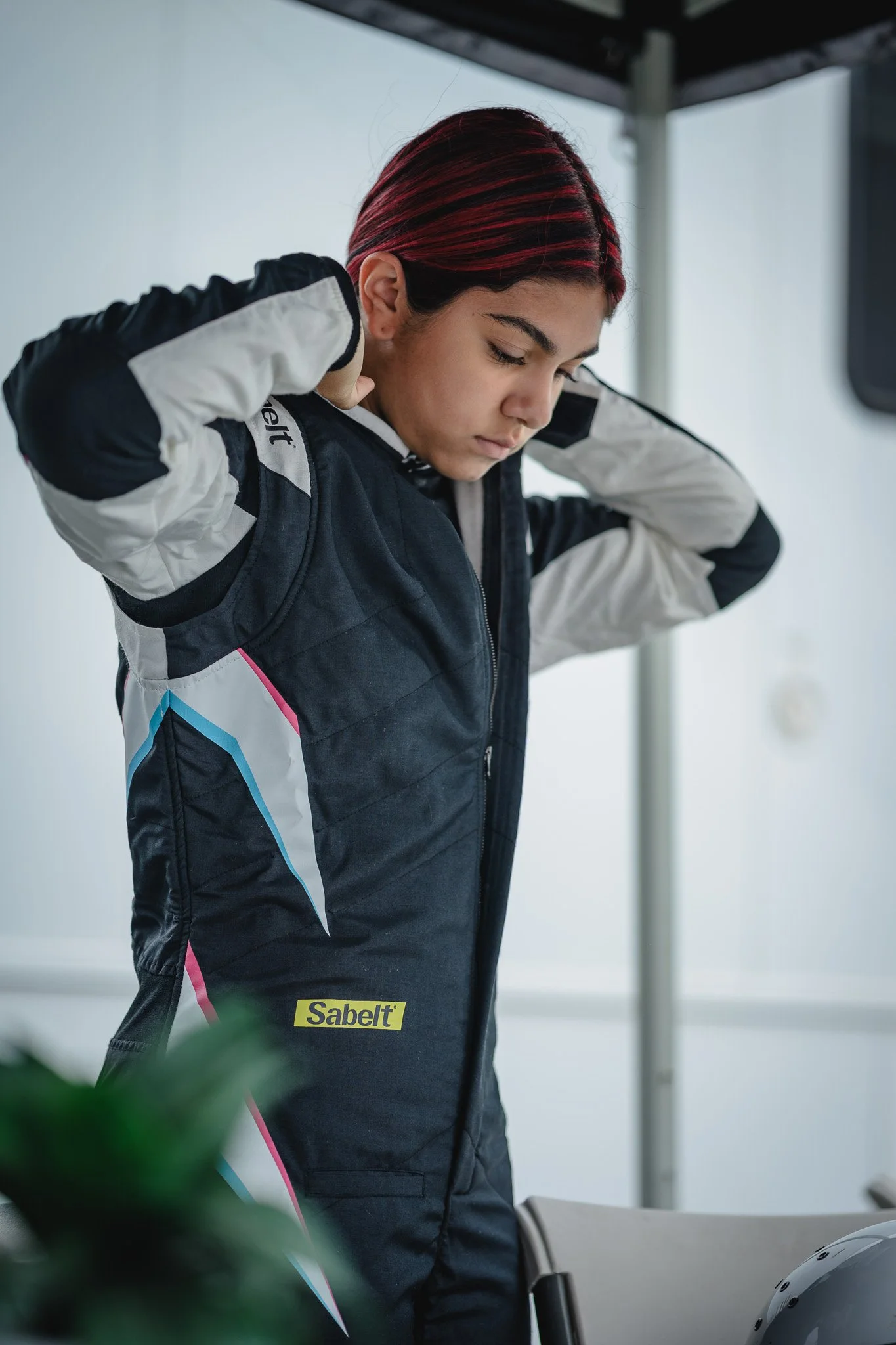
The Importance of Recovery During My Race Season
Sixteen-year-old F4 driver Ana Palestro on why rest, reflection, and a little bedazzling are part of how she prepares to win.
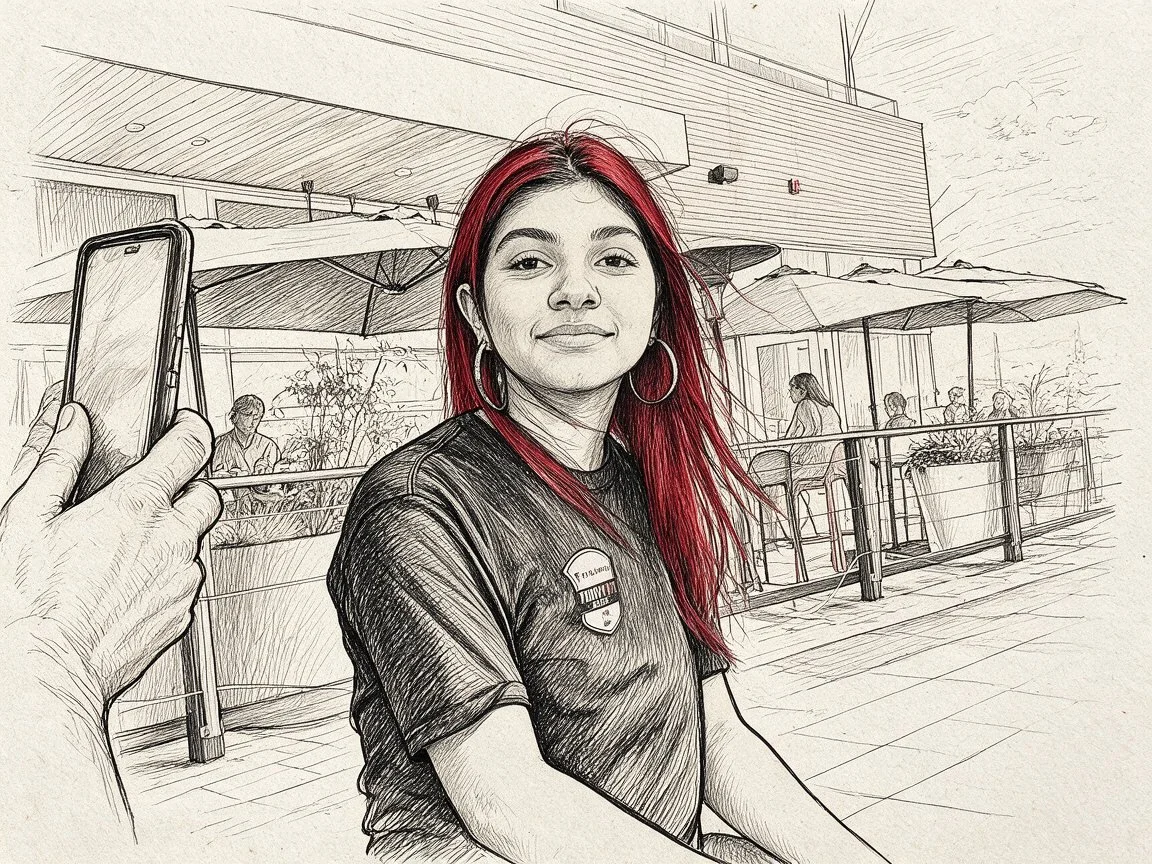
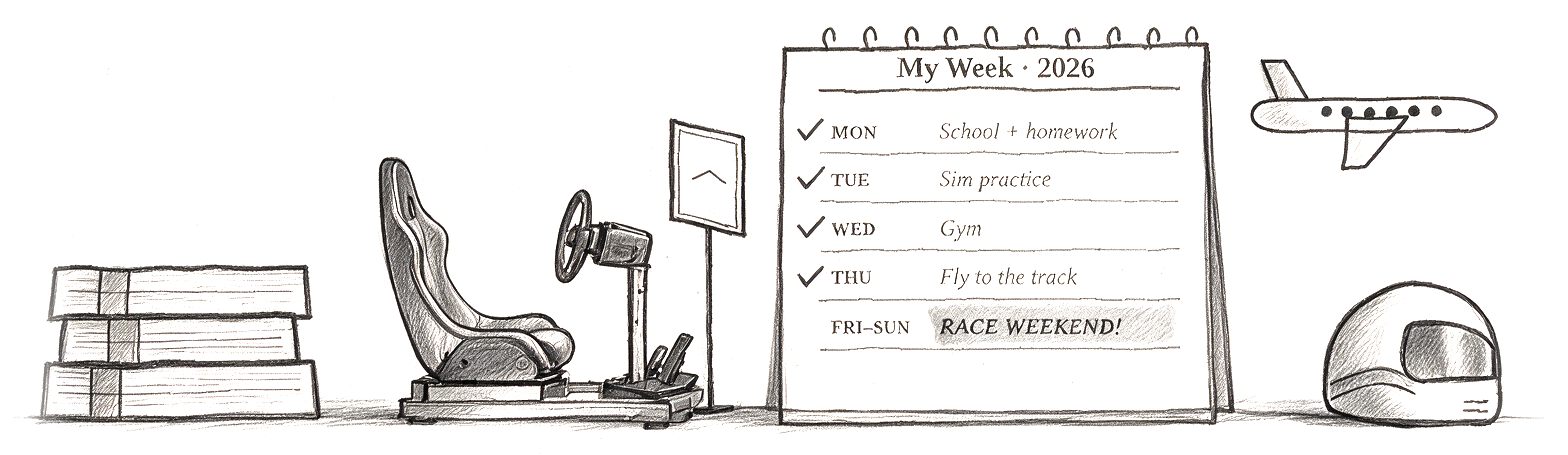
In my last article, I talked about the commitment and hard work it takes to be a race car driver. It’s even more challenging when you’re also a full-time student in high school. 2026 has been the busiest year ever for me. When I’m not on track, I’m keeping up with sim practice, doing schoolwork, exercising, and helping my parents with the business side of racing. I also travel for events like the Della Penna Foundation fundraiser, where I was honored to speak alongside Lyn St. James.
It took a while, but now I understand that recovery is very important for racing and for life.
As a race car driver, I focus on two types of recovery: first, after a race weekend, and second, during a mid-season break. In both cases, recovery is how I make sure I come back focused, excited, and ready to win.
Recovery is how I make sure I come back focused, excited, and ready to win.
Part 1Race Weekend Recovery
Process the race
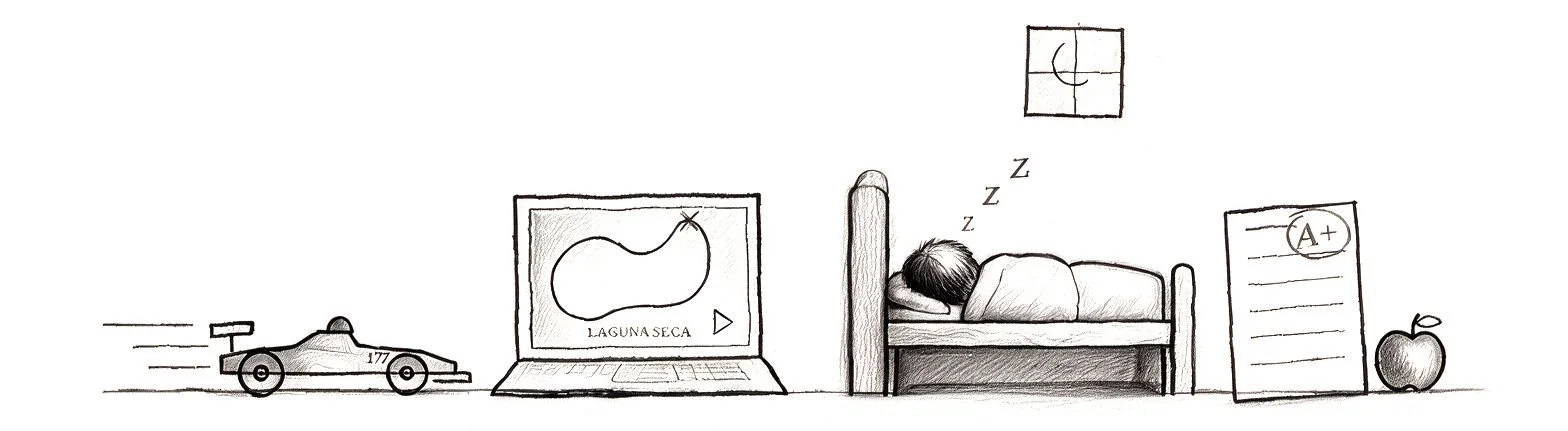
The time immediately after a race weekend is essential for recovery, and for me, it isn’t just physical rest. It’s clearing my head by processing what happened at the race. When something goes wrong, recognizing the mistake is what lets you fix it. When a race goes well, reviewing what worked is what makes it repeatable.
A good example is the last race in June. I spun on lap 1, which cost me a first-place podium. For a few days after the race, I watched the video and thought about the debrief with my team. The time I took to process what happened and why let me move on more quickly instead of dwelling on it. That let me get back to preparing for the next race.
Rest — and sleep
I expend a lot of energy on race weekends, not just from the racing, but also from all the work in between sessions and the travel. When I return home, I don’t try to go right back into my normal routine. I give myself the time to rest, and more importantly, sleep. A lot.
Catch up
The other part of recovery is to catch up on my work. For school, I focus on completing my assignments, meeting with my teachers, and making sure I am ready for upcoming tests. Having all this as part of my plan and catching up within a few days reduces anxiety that would make it hard to rest and reset.
Part 2Mid-Season Break
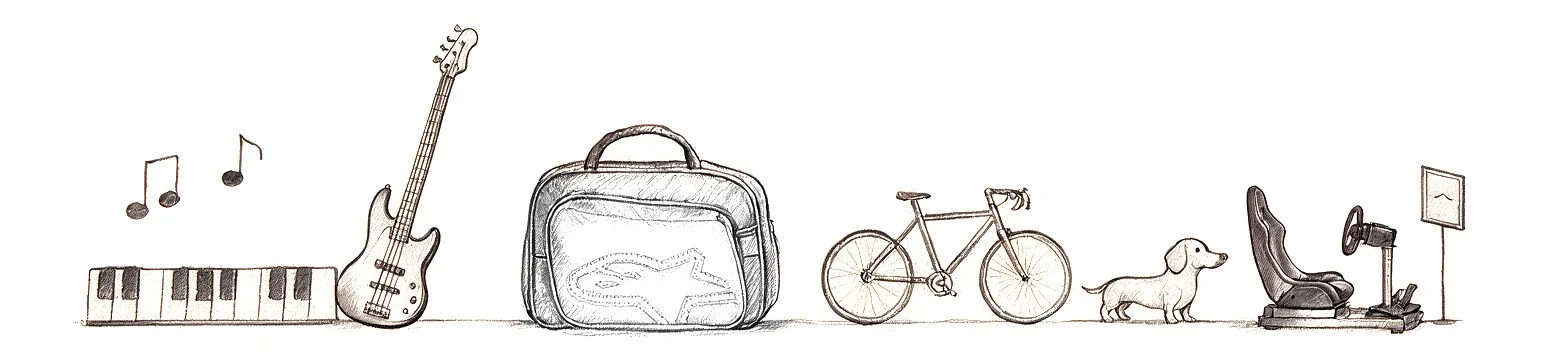
Season recovery is different from race weekend recovery. It’s not about processing one result; it’s about finding balance, and doing the things I love to do but don’t have time for during the busy-season months.
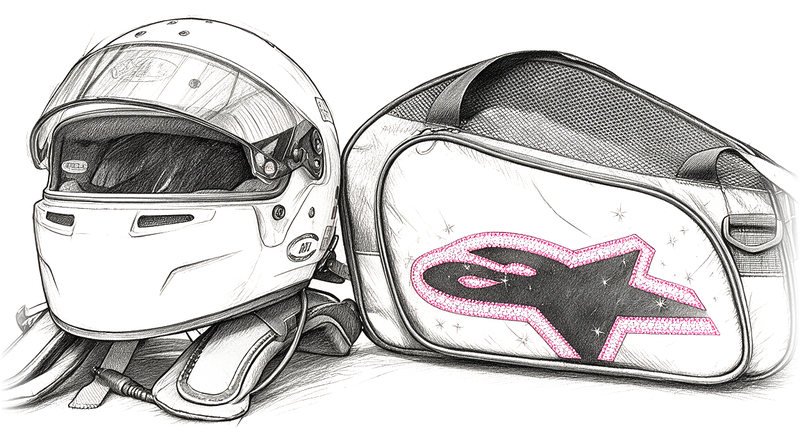
Music was a big part of my mid-season break. I play piano and bass guitar, and for three years I played in a jazz band at my school. This summer, I volunteered at a kids’ music camp for three weeks. I also did something completely new during this past break: I started bedazzling! It’s a hobby that is very different from car racing, but doing something completely different is what makes it fun. So far, I have bedazzled my car license plates, the wall switches in my room, and most importantly, my helmet bag.
Finally, the break was a great time to spend time with friends and family. I went to the mall, rode my bike, went out to eat, and watched many movies. I also spent time with my sister and my dog.
Although I had a great break, I didn’t step completely away from racing. I practiced on my simulator, running iRacing open lobby races and AI races on different tracks, including the tracks I was going to race on after the break. I also had fun being a spectator at the IndyCar race in Portland. While I was there, I spent time with Force Indy’s Indy NXT team and said hi to people I know at Chip Ganassi. It was a really fun experience.
Final lapConclusion
Racing is a very important part of my life. For me, recovery means three things: first, recharging; second, exploring and making time for other things I love to do; and third, staying involved in racing enough to be ready when it gets busy again. How much of each I need depends on whether it’s after a race weekend or a season break.
While the pressure to perform never goes away 100%, recovery is part of how I deal with it. I have one race weekend left in my season, and I am excited and energized. I know I will do well because I took time to rest and recover.